Key Takeaways
Securing the right funding is a critical step for individuals planning their long-term stay in Canada. These points summarize how to approach your financial strategy effectively:
- Start your loan search early to ensure your proof-of-funds documentation is ready for visa applications.
- Choose between secured and unsecured loan options based on your available assets and immediate liquidity needs.
- Maintain a clear records system for all loan documents to simplify future post-graduation tax or PR processes.
- Balance part-time earnings against interest obligations to keep your credit score healthy for Canadian life.
- Review potential currency fluctuations and bank fee structures to avoid surprises during your repayment schedule.
Choosing the right education loan for Canada PR aspirants
Finding the right financing is fundamental for students who plan to transition from academic study to permanent residency. The selection process should account for the total cost of attendance and your long-term financial health in your target province. Prospective students should consult with Gateway International Loan to streamline their search and identify lenders that favor international profiles.
Understanding secured versus unsecured loan options
Secured loans require collateral, such as fixed deposits or property, which typically results in lower interest rates. Unsecured loans, conversely, rely more on the co-applicant’s income and your academic background. Deciding between these two depends largely on the assets you can pledge and your preference for liquidity versus lower interest payments.
Comparing interest rates and repayment terms from international lenders
Interest rates vary significantly depending on the bank’s relationship with your chosen institution and your local co-signer’s credit profile. Always compare the total cost of the loan, including processing fees and insurance premiums, rather than just the base interest rate. Longer tenures often result in lower monthly payments but increase the total interest paid over the life of the loan.
Evaluating the credibility of banks and NBFCs for immigration purposes
Choose financial institutions that are recognized by international visa offices and have experience handling cross-border education costs. A reputable lender will provide a clear sanction letter that serves as official proof of funds for your study permit. Avoid lenders that lack transparent communication, as your visa success hinges on the clarity of your financial documentation.
Aligning loan structure with Canadian immigration policies
Your financial path should mirror the requirements set by the Canadian government, especially if you intend to apply for permanent residency later. Aligning your debt levels with your expected earnings keeps you in a strong position for future immigration applications like Express Entry. It is helpful to work with a single counselor to ensure that your funding strategy remains consistent throughout your visa and loan application journey.
Proving financial stability for Express Entry and provincial nominee programs
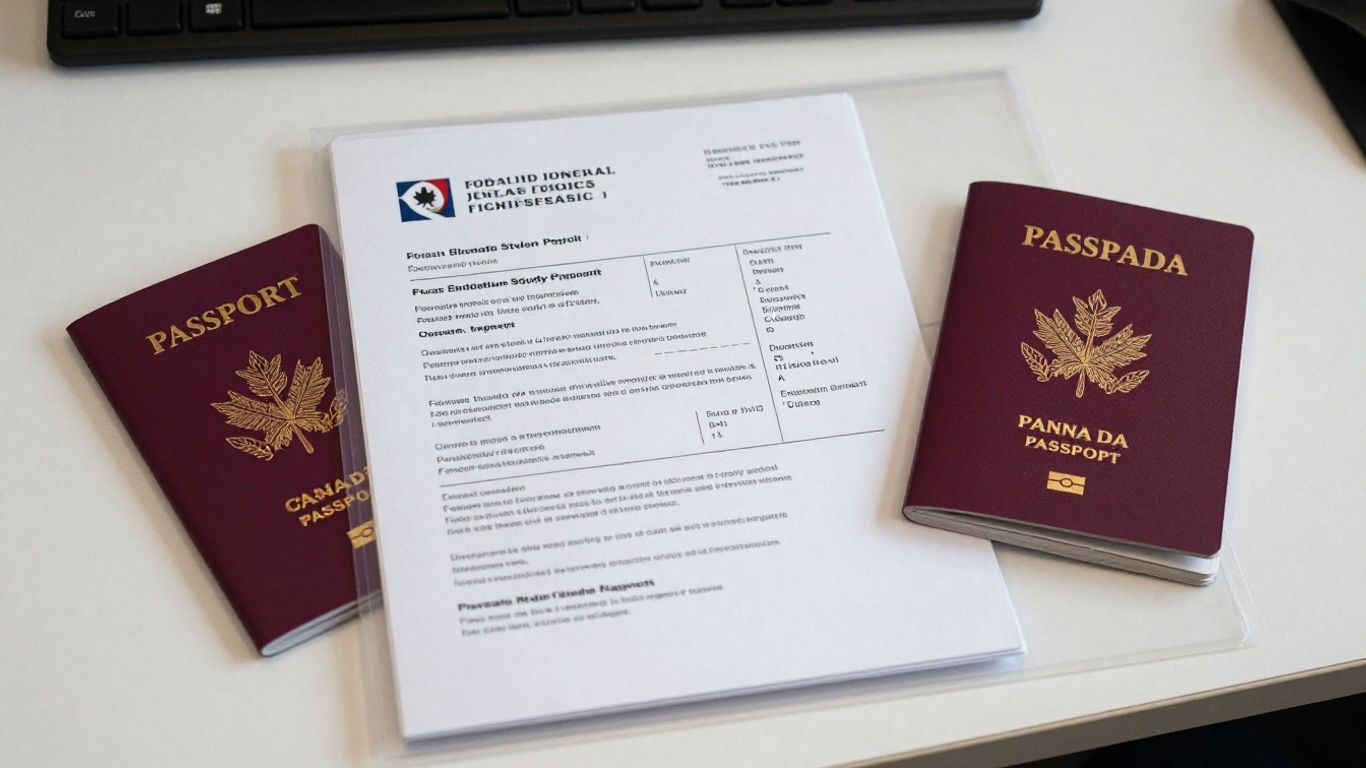
Immigration officers look for evidence that you can support yourself throughout your studies without relying on local social assistance. A well-structured loan ensures your proof-of-funds is clear and accessible, signaling stability to Canadian authorities. Maintaining this documentation is a crucial step for PR aspirants looking for long-term consistency.
Impact of debt-to-income ratios on future creditworthiness in Canada
Once you begin working in Canada, your existing student debt is evaluated in the context of your income via your TransUnion or Equifax file. High monthly loan payments can limit your ability to qualify for local housing or vehicle loans, so keeping your debt-to-income ratio manageable is essential. Prioritize lenders that offer flexible grace periods to minimize your early-career financial pressure.
Managing loan documentation to satisfy IRCC requirements
IRCC requirements demand precise and verifiable proof of your financial means. Ensure all loan documents are current, clearly state the student’s name, and verify the total funds available for your tuition and living expenses. Keeping your paperwork organized will prevent delays when you submit your study permit application or seek renewals.
Essential documentation and eligibility criteria
Understanding the standard requirements for international loans is vital for a smooth application process. Using Gateway International Loan’s approach to categorized financing can help differentiate which documentation aligns best with your situation. The table below outlines how different loan types compare in terms of security and typical application considerations.
| Loan Type | Collateral Requirements | Approval Basis | Typical Eligibility |
|---|---|---|---|
| Secured | Property/Fixed Deposits | Asset Value | Strong Credit Profile |
| Unsecured | No Collateral | Co-applicant Income | High Academic Merit |
| International | Varies | Future Earnings | University Reputation |
Navigating proof-of-funds requirements for student permits
When applying for a permit, you must demonstrate the ability to cover at least one year of your program. Most students utilize the Guaranteed Investment Certificate (GIC) alongside their loan sanction letter to fulfill this requirement. Ensure your loan agreement specifically allows for the lump-sum transfer needed to open these accounts upon your arrival.
Understanding the role of co-signers and collateral in loan approval
Co-signers provide the lender with an additional layer of financial assurance, often leading to significantly better interest rates. Collateral, if pledged, serves a similar purpose by reducing the lender’s risk exposure. Both elements must be clearly defined in your agreement to avoid unexpected legal or financial hurdles later.
Balancing academic potential with financial solvency expectations
Lenders often look at university rankings and program employability when assessing your risk profile. A high-value degree from a respected university can occasionally lead to better loan terms, even if your personal assets are limited. Focus on selecting a curriculum that aligns with Canada’s high-demand job categories to maximize your future repayment capacity.
Financial management strategies during your studies
Managing your finances while studying requires a proactive approach to budgeting and part-time work. You need to keep a close watch on your spending to ensure that interest obligations do not become overwhelming. Leveraging tools to track your expenses is a standard, effective way to remain in control during your time in Canada.

Balancing part-time income with loan interest obligations
Many students use part-time work to cover living expenses, but it can also help pay down interest during the study period. Using earnings wisely reduces the compound interest growth of your loan. Try these strategies to stay on top of your financial commitments:
- Establish a separate high-interest savings account for your discretionary income.
- Dedicate a portion of monthly paychecks to interest-only payments to keep the loan balance flat.
- Track your variable expenses like food and transit to ensure they fit within your GIC allowance.
- Avoid taking on new consumer debt, such as credit cards, while your student loan balance is high.
Following these steps helps you maintain fiscal discipline without compromising your ability to pay for essentials like rent or books.
Maintaining a healthy credit score while carrying student debt
In Canada, your credit score is the primary metric used to determine your eligibility for financial products like mortgages or car loans. Paying your student loan installments on time is the best way to demonstrate reliability to Canadian creditors. Always check your credit report periodically to ensure that your student debt is being reported accurately and is up to date.
Planning for cost-of-living adjustments in different Canadian provinces
Living costs, such as rent and transportation, vary dramatically between cities like Vancouver and smaller regional municipalities. When creating your financial plan, use student loans for Canada guidance to estimate costs accurately, including local taxes and insurance. Setting aside a margin for regional cost-of-living increases protects you against sudden inflationary pressures during your studies.
Repayment plans and their transition to post-graduation life
Repayment should be viewed as an investment in your Canadian financial footprint. Structuring your payments properly will aid in your transition to full-time employment and eventual residency. Aim to align your repayment tenure with your early-career salary projections.
Leveraging the post-graduation work permit (PGWP) for repayment stability
Securing your PGWP opens the door to full-time employment, which should be the primary driver of your accelerated repayment plan. Because the work permit is time-limited, your target is to convert to permanent residency and stable professional employment shortly after graduation. Use this window of professional stability to clear remaining high-interest debt.
Choosing between early repayment and investing in Canadian assets
Early repayment saves on total interest, but in some cases, investing in local assets or building an emergency fund may provide better personal security. Consider your interest rate; if it is exceptionally low, you might benefit more from reinvesting in your own career progression. Always calculate the net benefit of paying off your loan versus the cost of alternative financial vehicles.
Understanding tax benefits and interest deductions for international graduates
Once you are a resident for tax purposes in Canada, your student loan interest payments can potentially be deducted from your taxable income. Keep meticulous records of your interest paid to provide to your accountant during tax season. Maximizing these savings is a smart way to lower your real debt burden over time.
Pitfalls to avoid when financing your Canadian education
Avoiding common traps saves you thousands, both in the short and long term. Be wary of assumptions regarding your future salary and the variability of international currency markets. A disciplined approach ensures you don’t over-leverage yourself early in your career.
Overestimating starting salaries in your target industry
While career prospects in Canada are generally strong, your initial entry-level salary may be lower than those of senior employees. Plan your loan repayment based on realistic, conservative salary expectations for new graduates in your field. This cautious approach keeps your financial foundation stable as you climb the professional ladder.
Failing to account for currency fluctuation risks
If your loan is in a foreign currency but your earnings are in Canadian dollars, you are naturally exposed to significant exchange rate shifts. A strong Canadian dollar can mean your loan becomes more expensive to pay back in native currency. Consider maintaining a cash buffer or look for hedging options if the exchange rate volatility remains high.
Ignoring processing fees and hidden charges in loan agreements
Some loan agreements include hidden administration or early-withdrawal penalties that only come to light later. Always request a comprehensive fee schedule from your lender before finalizing any contracts. Knowing exactly what you will pay in service charges, insurance, and interest ensures there are no surprises when your first bill arrives.
Conclusion
Securing the right loan for your Canadian educational journey requires balancing immediate needs with long-term immigration and financial goals. By choosing transparent lenders, maintaining meticulous documentation, and planning for post-graduation economic factors, you ensure that your loan supports your transition to permanent residency. Stay focused on your budget and prioritize your credit history to build a durable foundation in your new home.
Frequently Asked Questions
Can I use my education loan to cover my Guaranteed Investment Certificate?
Many lenders allow you to show your loan sanction as proof of funds, and some will disburse the loan directly into a student account that can be used to fund your GIC requirement.
Are interest rates for these loans fixed or floating?
Interest rates vary by lender, but most international education loans offer a choice between fixed rates, which provide stability, and floating rates, which may adjust based on market conditions.
Does my Canadian credit score start the day I arrive?
Typically, your credit history begins once you obtain a Social Insurance Number (SIN) and open your first Canadian bank account or apply for a local credit product.
Can I pay off my loan early without penalties?
Most standard education loan agreements allow for early repayment, but you should always verify if your specific lender imposes a prepayment penalty for clearing the loan before the scheduled tenure.
What happens to my loan if I do not get my permanent residency?
Your loan contract is independent of your immigration status; you remain responsible for the repayment schedule regardless of your residency outcome in Canada.
Are there specific loans for MBA students in Canada?
Yes, many banks and NBFCs provide specialized loan programs for professional degrees like MBAs, which often consider higher future earning potential in the approval process.
Should I include living expenses in my loan amount?
It is highly recommended to include projected living expenses in your loan documentation to ensure you have adequate financial resources, minimizing the number of times you need to transfer additional funds.