Key Takeaways
Navigating foreign financing can be daunting, but understanding market trends helps you stabilize your academic budget. Use these core concepts to manage your international debt effectively:
- Exposure occurs whenever your source of income differs from your local tuition currency.
- Exchange rate shifts can either reduce or inflate your effective debt burden over time.
- Proactive planning involving buffers and strategic timing helps mitigate unpredictable market volatility.
- Diversifying your financial holdings provides a necessary safety net against sudden currency devaluations.
- Working with a Gateway International Loan specialist ensures you understand long-term repayment costs before signing.
Understanding the basics of currency fluctuations and student loans
When you fund an overseas degree, you essentially enter the global currency market as an active participant. Your financial health becomes tied not just to your academic performance, but also to the fluctuating values of international currencies. Proper foresight regarding education loan currency fluctuation risk is essential for any student aspiring to build a global career.
Defining foreign exchange risk in education financing
Foreign exchange risk is the potential for financial loss caused by a change in the value of one currency relative to another. For a student, this manifests when the amount you must repay in your home currency increases due to appreciation of the foreign currency where your university is located.
Why currency values shift in global markets
Currency values fluctuate based on complex macroeconomic factors including national inflation rates, interest rate announcements by central banks, and geopolitical stability. These shifts happen daily, impacting everything from the cost of your textbooks to the total value of your study abroad education loan.
The impact of base currency versus quote currency
Understanding the currency pair is the first step in basic financial literacy. The base currency is the currency you hold, while the quote currency is the cost of the asset you are purchasing, such as tuition or housing expenses in another country.
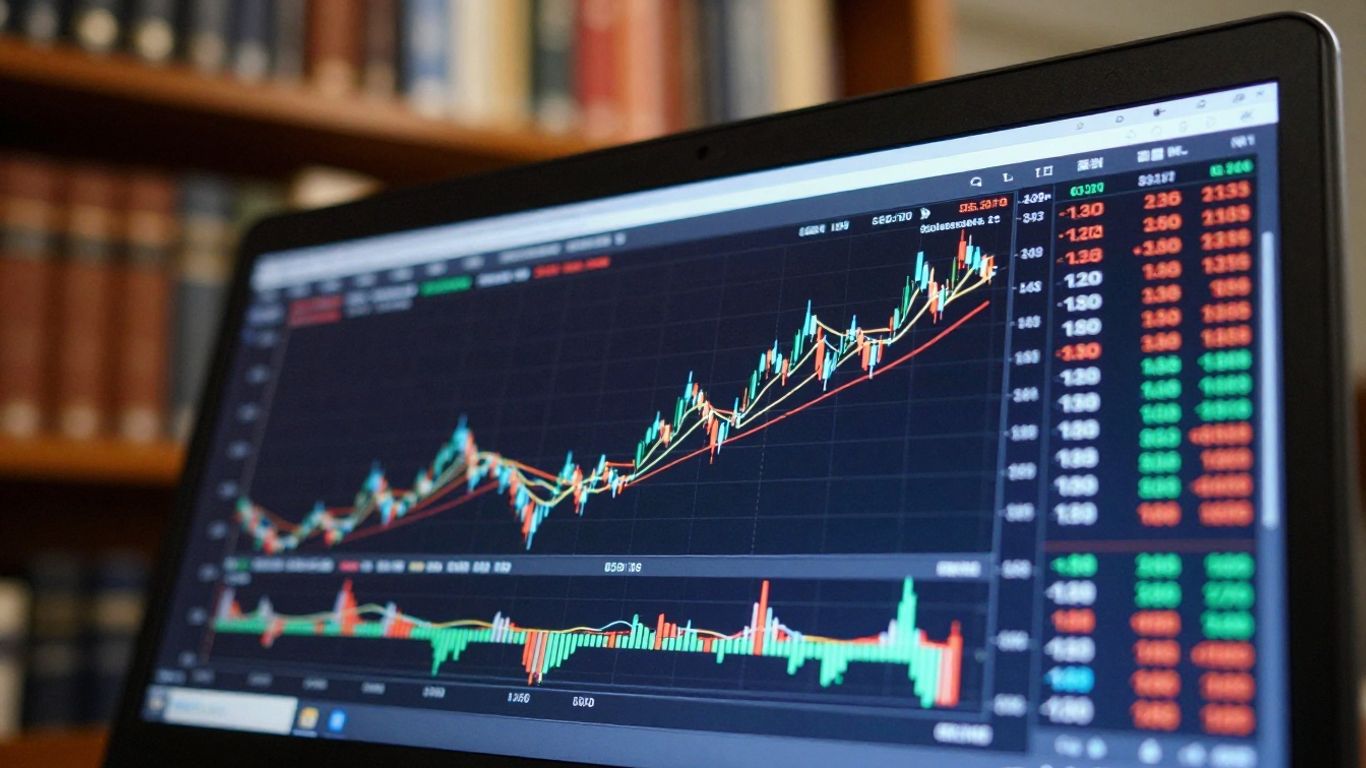
How exchange rates alter your total cost of borrowing
Monitoring your expenses is part of the professional approach required for modern students. Many families find that tracking their Gateway International Loan disbursements against current market rates provides clarity on their actual financial obligations as they progress through their academic journey.
Impact on tuition payments and disbursement schedules
Tuition is often the largest single expense for international students, and its timing can dictate how much you ultimately pay. If your installment schedule coincides with a period of home currency weakness, you may find that the same dollar amount costs significantly more in local funds than you had initially projected.
Calculating the real-time cost of loan installments
Calculating costs involves more than just conversion rates; it requires analyzing the total impact over the life of your loan. Using a precise ROI Estimator allows you to see how your potential future salary stacks up against your current monthly requirements, helping you quantify your long-term financial exposure while studying.
Comparing predicted versus actual repayment amounts
The table below illustrates how a hypothetical loan payment fluctuates when the exchange rate shifts by five percent:
| Payment Quarter | Initial Projection (INR) | Market Rate Shift | Actual Payment (INR) |
|---|---|---|---|
| Quarter 1 | 500,000 | Baseline | 500,000 |
| Quarter 2 | 505,000 | +5% Increase | 530,250 |
| Quarter 3 | 510,000 | +5% Increase | 535,500 |
Fluctuations like these demonstrate why relying on fixed figures alone can be dangerous, as the actual amount required often exceeds initial estimates due to market volatility.
Managing the risks of international student debt
Prudent financial management is a hallmark of success for students traveling abroad for their education. Relying on professional guidance from Gateway International Loan helps ensure that your loan structure remains resilient to external economic shifts.

Selecting the right loan provider for international study
Choosing a lender that offers transparency regarding interest structures and potential currency risk is vital. Modern loan structures often allow for flexibility, which can be a difference-maker when navigating the unpredictability of international markets.
Incorporating a buffer for exchange rate volatility
Smart financial habits include preparing for the unexpected by maintaining a liquid buffer in your account. By keeping extra funds set aside, you avoid being forced to convert currency at unfavorable rates during a sudden market dip.
Hedging options for personal finance management
A hedge is essentially an insurance policy against unfavorable market moves, ensuring your costs remain predictable despite external chaos. Consider these primary ways to protect your capital:
- Utilize forward contracts if your lender provides that specific facility for future tuition payments.
- Maintain accounts in both home and foreign currencies to manage conversion timing manually.
- Keep a close watch on managing currency fluctuations by setting alerts for exchange rate notifications.
- Prioritize loans with lower variable interest rates to keep your baseline expenses predictable.
These practices move you away from reacting to crises and toward a proactive stance in your financial evolution.
Critical factors affecting borrower burden
Your debt load is sensitive to forces far beyond your immediate control, yet awareness helps in planning. Understanding these variables ensures that you are not caught off guard by systemic interest rate changes or shifting economic policies.
The role of interest rate differentials between countries
Interest rates act as magnets for global capital, and differences between your home country and host country often dictate your currency’s strength. When your host country raises interest rates, their currency often strengthens, making your debt more expensive in home country terms.
Economic indicators that forecast currency devaluation
Investors watch indicators like trade balance, Gross Domestic Product growth, and political stability reports to gauge a nation’s health. Any hint of instability usually acts as a trigger for rapid shifts in currency valuation, necessitating an immediate review of your personal debt strategy.
Differences between fixed and floating rate loans in foreign currency
Fixed-rate loans provide certainty, protecting you from the danger of escalating repayment costs. Conversely, floating-rate loans carry immense risk in foreign denominations, as you are exposed to both interest rate volatility and currency fluctuations simultaneously.
Practical strategies to mitigate currency fluctuation risk
Execution matters just as much as analysis, and a structured approach keeps you in control. Following these steps helps minimize the impact of external economic events on your personal balance sheet.
Timing your payments to catch favorable market trends
Never rush a transfer if you have the luxury of time, as waiting for a slight strengthening in your home currency can save a significant percentage on massive tuition payments.
Repaying loans early to minimize long-term exposure
Reducing your principal loan balance as early as possible shortens your window of vulnerability. By paying down debt when your home currency is relatively strong, you lock in gains and reduce the duration for which you are exposed to potential devaluation.
Diversifying your currency holdings for future payments
Holding a small portion of savings in foreign currency during periods of strength allows you to pay tuition when the market turns sour. This acts as a natural offset, providing you with the necessary capital without hitting the open market at the wrong time.
Consulting with financial advisors specializing in cross-border debt
Expertise simplifies complex processes, and connecting with a designated counselor who understands international finance is the best step toward security. They can show you how to navigate market shifts without derailment.
Conclusion
Managing your finances while pursuing a degree abroad is a significant venture that requires both academic focus and disciplined financial oversight. By keeping a close watch on global economic cycles and implementing logical mitigation tactics, you protect your future and ensure that your education remains a rewarding investment. Focus on building a robust strategy that allows you to pay down debt efficiently, and remember that professional support is always available to help you navigate the intricacies of your international study loan.
Frequently Asked Questions
How does inflation affect my student loan repayment?
Inflation frequently forces central banks to adjust interest rates, which directly influences currency exchange values and the cost of repaying debt denominated in foreign currencies.
Is taking a loan in a foreign currency ever a good idea?
It can save on interest costs if the foreign currency is stable, but for most students, the risk of currency appreciation often outweighs the lower interest benefits.
What is a natural hedge for a student?
Keeping savings in the same currency as your future expenses, such as tuition or rent, acts as a natural hedge against volatility in the exchange market.
When is the best time to check exchange rates for fee payments?
Check rates consistently throughout the weeks or months leading up to a payment deadline, as waiting until the final day often leads to poor financial outcomes.
Can my bank help me manage currency risk?
Many banks offer tools like forward bookings or specialized forex cards that allow you to lock in rates, preventing sudden losses due to daily market fluctuations.
Do government policies impact study loan costs?
Government trade and monetary policies significantly influence the strength of a national currency, which in turn dictates the affordability of paying for foreign services like university tuition.
How can I prepare for potential currency spikes?
Building an emergency fund that includes a currency buffer allows you to manage short-term spikes without needing to borrow more or liquidate long-term investments at a loss.